

Beyond the Nose: The Gut-Allergy Connection
Last week we talked about helping your airways by breathing through your nose, allowing the hairs in your nose to be able to filter the bulk of the pollens before they reach your airways. By using your nose as a filter, the air you are inhaling will also be closer to body temperature, and will retain more moisture. All things to help your airways be happier. In turn, this helps to lessen the severity of the histamine reaction from inhaled pollens.
Switching to nasal breathing when we are used to mouth breathing at least part of the time is not always easy, but it is definitely worth the effort. As amazing as nasal breathing is for your health, it isn't the only thing we can do to lessen allergy symptoms.
Another layer to the allergy puzzle is our gut.
We really ARE what we eat, and when we eat a diet full of inflammatory items, our gut will become stressed, and we will in turn have a tendency to have more inflammatory issues.
A few sign and symptoms of potential gut inflammation are:
Seasonal allergies, or asthmatic symptoms.
Autoimmune diseases such as Rheumatoid Arthritis, lupus, psoriasis, chronic fatigue, or fibromyalgia,
Skin conditions such as eczema, acne, or rosacea.
Food allergies, sensitivities, or intolerances.
Arthritis or joint pain
If you notice any of these signs and symptoms, you may want to take a look at your plate.
What types of foods do you typically consume?
Are there any foods you eat where you notice a change in your symptoms after eating?
Generally speaking, some of the most common foods that cause inflammation are:

Processed meats
Refined grains, including white bread, pasta, and breakfast cereals,
Highly processed foods, including chips, cookies, crackers, and pastries
Sodas
Sugary foods
Fried foods
As a general rule, eating whole foods is your best bet.
The outskirts of the grocery store tend to have the freshest, most wholesome foods. When you shop towards the middle of the store, aim to look for food labels with the fewest ingredients. If you find that the list contains ingredients you can’t pronounce, or you don’t know what they are, it is probably best to put that item down and look for another selection that has ingredients you can recognize.
I realize that eating fresh is challenging for many budgets with the seemingly never-ending rising cost of foods, and everything else. Instead of aiming for perfection, aim for the best you can do.
If you have the time, finances, and skillset to cook everything from scratch, you’ll have the most control of your ingredients and flavor combinations. However, it’s not always possible. Whether from choice or necessity, choosing pre-prepared foods can be healthy, we just need to be more selective in the options we purchase.
Of course, there is a lot of talk about eating organic. While that may be an ideal, it's not always realistic or practical. When you find yourself debating whether or not to buy organic, this list from the Environmental Working Group, updated regularly, can be helpful.
The 2025 Dirty Dozen (foods most contaminated with pesticides):
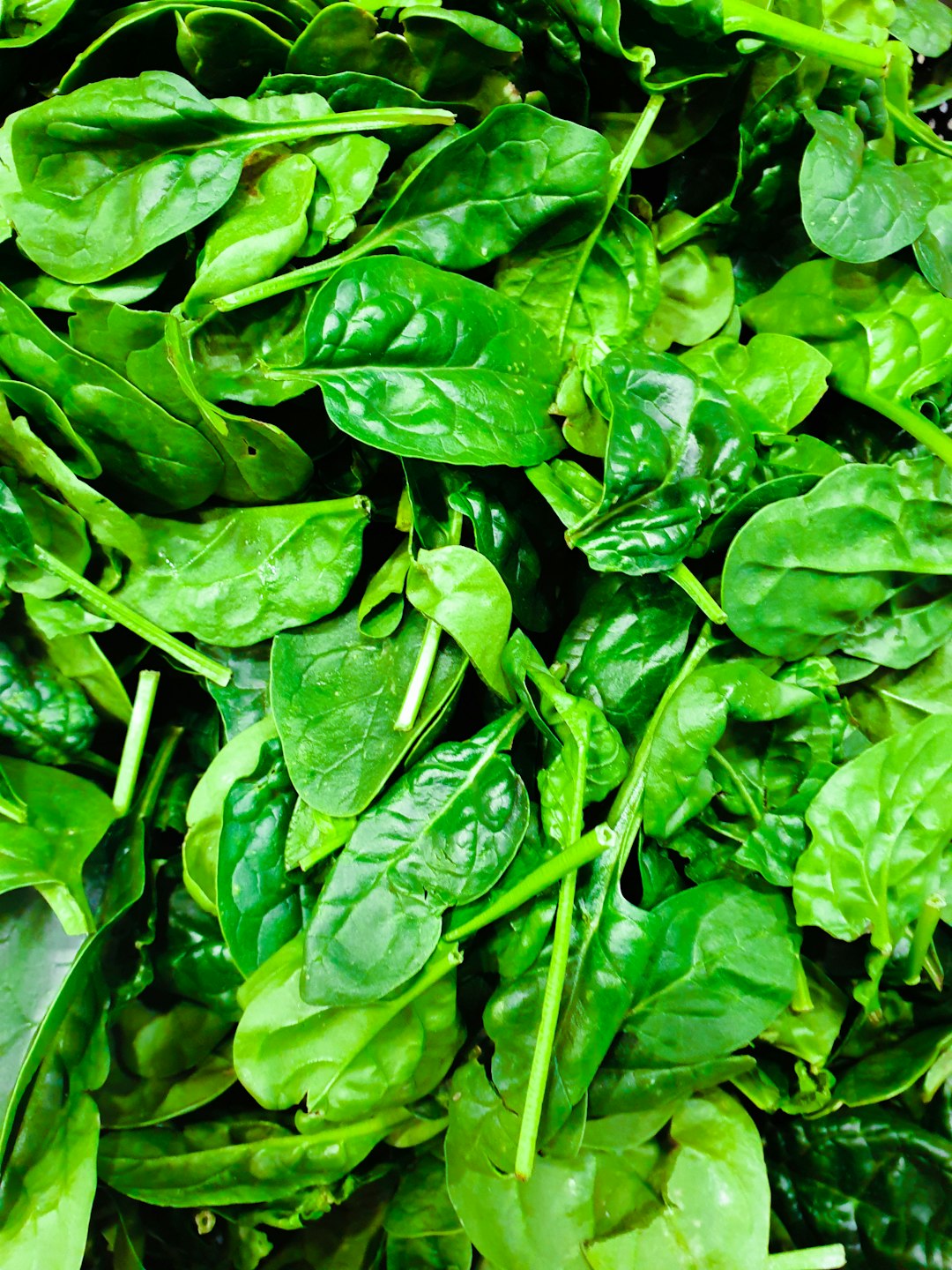
1) Spinach
2) Strawberreis
3) Kale, Collard, and Mustard Greens
4) Grapes
5) Peaches
6) Cherries
7) Nectarines
8) Pears
9) Apples
10) Blackberries
11) Blueberries
12) Potatoes
The 2025 Clean 15 (foods with the least amount of tested pesticides, and foods you can feel more confident are safer when purchasing non-organic):
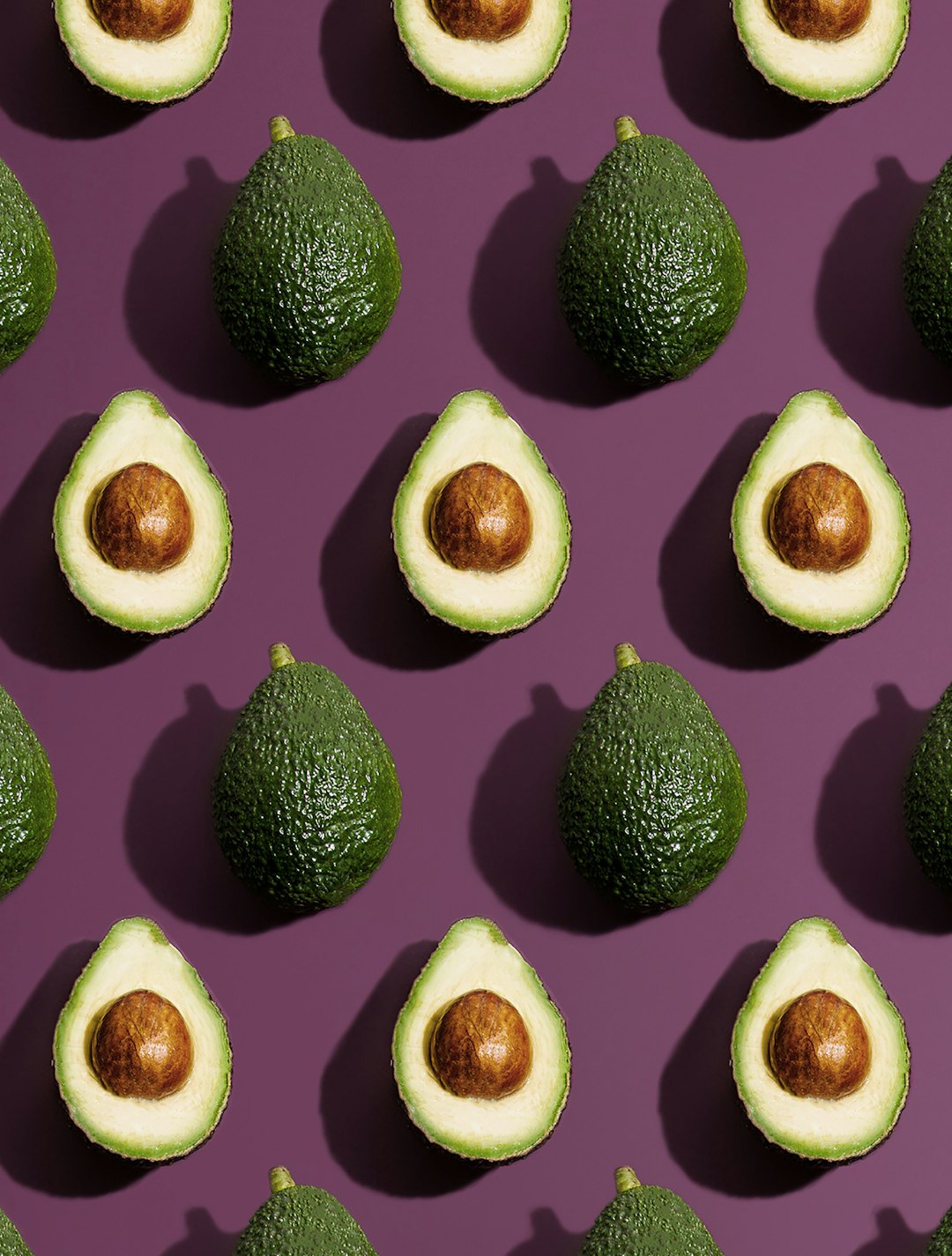
1) Pineapples
2) Sweet Corn (fresh and frozen)
3) Avocados
4) Papaya
5) Onion
6) Sweet Peas
7) Asparagus
8) Cabbage
9) Watermelon
10) Cauliflower
11) Bananas
12) Mangoes
13) Carrots
14) Mushrooms
15) Kiwi
You may find it helpful to make a list of the Dirty Dozen and the Clean 15 to assist you when you're at the grocery store. You can also go to the EWG website, and with a $15 donation, they will send you a wallet sized produce reference guide.
Some influencers and "specialists" will argue that there are certain food groups you should “always” or “never” consume. However, what is good for the goose is not always good for the gander. We are all uniquely made, and your lifestyle and history mean you have specific needs. If someone is telling you to completely avoid a certain whole food product, make sure you do some investigation. When advice is to “always” or “never” eat a real food item, that little red-flag warning should be going off in your head.
If you have tried eliminating some of the most common inflammatory foods, are focusing on healthy foods, and you are still having symptoms, it may be worth investigating further. It is possible you could have a sensitivity to a “healthy” food.
Among the most common food allergens are: cow’s milk, eggs, fish, peanuts, shellfish, soy, tree nuts, and wheat. Home testing options do exist, but I always recommend working with a specialist to take out the guesswork. While they have different methodologies, practitioners such as naturopaths or allergists can guide you to appropriate food sensitivity testing if your primary care physician is unable to do so.
When you find out what works best for your individual body, you can start to eat like the Queen or King that you are. Eating foods that truly nourish you can make a world of difference in how you feel and the allergies you experience.
It’s not always a walk in the park, but your vitality is worth the venture.
A journey of 1000 miles begins with a single step, and sometimes figuring out allergies feels the same way. For questions or a more in-depth dive into your unique situation, please reach out. Between my professional knowledge and personal experience, I am confident we can start heading the right direction.
Here is a link to my calendar if you'd like to discuss your situation with a free 30 minute consultation.


