

Spring is in the Air - Does That Mean Survival, or Vitality?
Spring is in the air!
Or is it Summer??
Here in SW Colorado, I don’t think Winter ever arrived, and there are definitely days if feels like summer.
Between kids’ excitement in class, the birds arriving back in the area, and the daffodils peeking out of the ground, Spring is definitely on it’s way here.
Gardeners are excited about the prospect of starting this years garden.
Kids are excited about spring sports and the looming Summer break.
Many are excited about budding and blooming flowers.
And everyone is excited about all the pollen that goes along with the blooms.
….Or maybe not.
Seasonal allergies are the bane of many people’s existence come Spring time. Sniffly noses, itchy eyes, and more prevent us from resting and being the productive person we need to be.
Allergies used to affect me this way also. However, over the years, I’ve been able to figure out a few simple steps to minimize seasonal allergies. For myself, allergies are now almost non-existent.
There are several tools you can use to help yourself with seasonal allergies, and today I want to focus on a tool that you already possess. It costs nothing to use, yet many of us use it improperly.
Breathing.
Yep, simply learning proper Nasal Breathing techniques can drastically cut down on your seasonal allergies.
As you likely know, noses have hairs inside. If you haven’t really noticed that, ask your closest neighbor for a peek, or head into the bathroom for a good look. Most people have around 120 hairs per nostril.
Each of those hairs serves as a filtration device to help protect our airways lower down. When you breathe through your nose, those magnificent, albeit sometimes unruly, little hairs catch particles as small as 3-5 micrometers. Beyond your nasal hairs, your nasal mucosa (the membranes inside your nose) will filter particles down to about 0.5 micrometers, where your cilia (little tiny hairs) will propel them to the nasopharynx.

To put that in perspective, the average size of allergy-producing pollen is 25 microns, but some may be as small as 2.5 microns or as large as 200 microns. For a small sample of common pollens in SW Colorado; Ponderosa Pine pollen runs approximately 15-25 microns in diameter, Ragweed is approximately 20 microns, and Fescue is 40 microns. To know more about pollens, Texas Parks and Wildlife has an interesting article.
While breathing through your nose may not eliminate the allergic histamine response, it can certainly lessen it. When your nasal hairs catch the bulk of the particles, those particles don’t carry all the way down to your lower airways. Therefore, your body is less overwhelmed, and your histamine response will be minimized. Nasal breathing has also been proven to activate the “calming” center of your mind, the parasympathetic system. This allows your mind to calm, your body to relax, and your brain to be more oxygenated.
When you breathe through your mouth, on the other hand, there are no filtration systems. All of those particles go down your oropharynx, into your laryngopharynx, down your trachea, and into your bronchioles and lungs. This lack of a filter causes increased inflammation and allergic symptoms. Mouth breathing also activates the “fight or flight” segment of your brain, the sympathetic system. This keeps your brain wired, even when you’re so exhausted you can’t see straight. You become more congested, have greater airway irritation, your brain becomes less oxygenated.
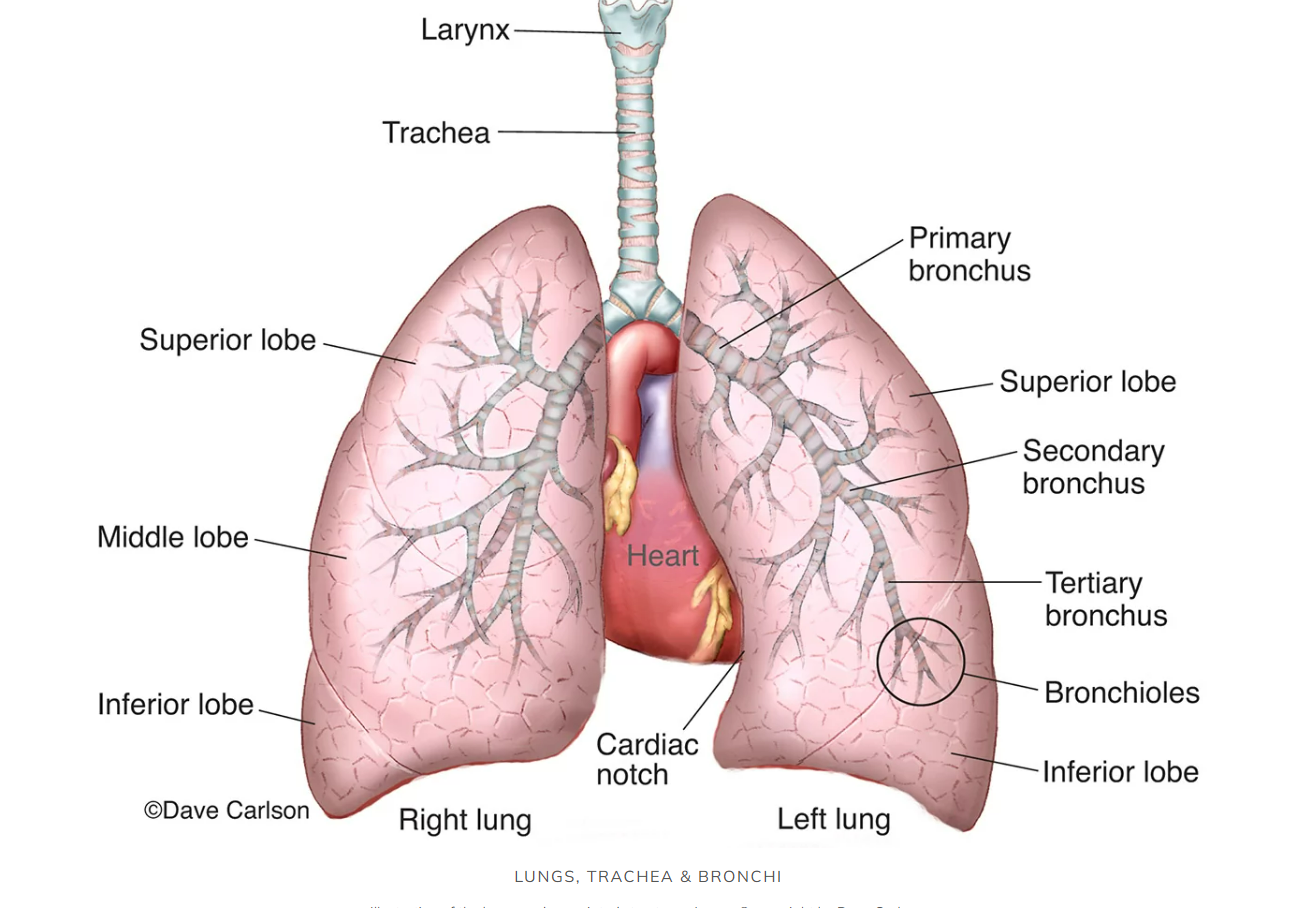
In addition to trapping those pesky pollens with our nasal hairs and allowing our brain that calming response, our nose gives us several other spring-time benefits One of which is retaining moisture. With mouth breathing, there is an approximately 42% greater respiratory moisture loss compared with nasal breathing. If you’re suffering from spring-time allergies or live in a dry climate like SW Colorado, that extra moisture loss can make a large difference in your comfort. Dry mouth, anyone?
Breathing consistently through your nose can also minimize the amount it is congested. And less congestion leads to better sleep, which in turn leads to better day time energy levels. If your nose is congested, here is a nose unblocking exercise you can use any time of the day or night. My daughter calls it “magic” and I would agree.
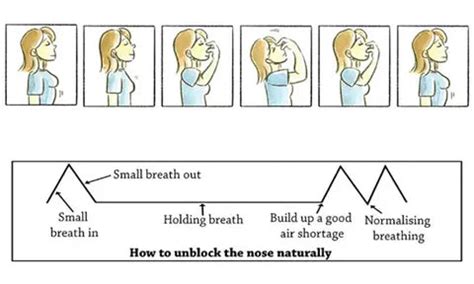
Take a normal breath in and exhale. After your exhale, pinch your nose and nod your head up and down until you feel an urge to take a breath in. Inhale through your nose. Take a few normal breaths and repeat as necessary. If your nose is very blocked it is common to need to repeat 6-10 times before seeing results.
If you would like to know more about nasal breathing, please reach out. I’m trained as a Buteyko Breathing Instructor, where we teach from evidence-based practice how to breathe through your nose in greater comfort. Experts say that if you can breathe through your nose for three minutes, you can breathe through your nose for life.
I am a firm believer. I used to go through every spring with a perpetually stuffy nose. Dry mouth. Hacking cough. I no longer have any of those symptoms, and I haven’t had a blocked nose from colds or allergies since I started focusing on nasal breathing.
You too can have lighter, easier breathing. Join me in my Breathe Better, Live Brighter program to learn more. Turn today’s exercise from one day of relief into day one of vitality.
More about tips for easing seasonal allergies coming soon!


